
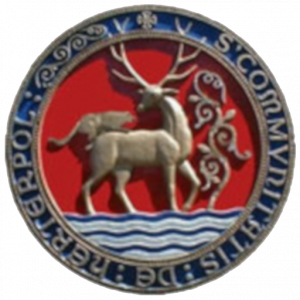
The Headland area of Hartlepool, formerly known as Old Hartlepool, is one of the oldest and most historic parts of the North East. Its story begins over 1,300 years ago, with a monastic settlement founded in 640 AD by Saint Hieu — the first known female abbess in Northumbria. The monastery, established under the guidance of Saint Aidan of Lindisfarne, was one of the earliest Christian sites in the region.
A few years later, in 648 AD, the leadership of the monastery passed to Saint Hilda, who would go on to found the famous Whitby Abbey. These early religious foundations made the Headland an important spiritual centre in the Anglo-Saxon period.
Over the centuries, the Headland remained a vital and strategic part of the North East coast. In 1201, King John granted the town of Hartlepool a Royal Charter, giving it trading rights and self-governance — a privilege reaffirmed by successive monarchs. The area became a busy port under the authority of the Prince Bishops of Durham, playing key roles in trade and defence.
During the English Civil War, the Headland was briefly occupied by Scottish forces, and in later centuries became a hub of shipbuilding and fishing — industries that shaped much of its modern identity.
In the 19th century, the arrival of the railway in 1835 transformed Hartlepool. The Headland and the newer West Hartlepool became thriving centres for coal export, shipbuilding, and maritime trade. While much has changed, the Headland has retained its distinctive character, historic charm, and close-knit community spirit.
Today, the Headland Parish Council works to represent local residents, protect this rich heritage, and help shape the area’s future.